Iranian officials have expressed openness to making concessions in nuclear negotiations with the United States, contingent upon Washington’s willingness to address economic sanctions, according to statements from a senior Iranian diplomat.
Deputy Foreign Minister Majid Takht-Ravanchi emphasized during discussions that the responsibility now lies with American leadership to demonstrate genuine commitment to reaching an agreement. He indicated that if the US shows sincerity in negotiations, both nations could move toward a successful resolution.
The diplomatic overture comes amid heightened tensions, with President Trump having issued warnings of potential military action against Iran should nuclear talks fail. The US has significantly increased its military deployment in the Middle East region as negotiations continue.
Recent indirect negotiations between the two countries took place in Oman during February, with both sides describing the initial discussions as constructive. A subsequent round of talks has been scheduled to occur in Geneva, building on the momentum from these preliminary exchanges.
As a gesture of good faith, Iranian leadership has indicated readiness to address its uranium enrichment levels, currently at 60% purity – dangerously close to weapons-grade material. This has raised international concerns about Tehran’s nuclear ambitions, though Iranian officials continue to deny any intention to develop nuclear weapons.
Key Negotiating Points
Takht-Ravanchi outlined Iran’s position on several critical issues. The country maintains its willingness to discuss uranium stockpiles and enrichment levels, provided the US engages seriously on sanctions relief. However, he declined to specify whether this would involve partial or complete sanctions removal.
Regarding Iran’s substantial uranium reserves – over 400 kilograms of highly enriched material – the deputy foreign minister stated that decisions about potential removal from Iranian territory would depend on negotiation outcomes. Russia has reportedly offered to accept this material, similar to arrangements made under the 2015 nuclear agreement.
Iranian negotiators have insisted that discussions should focus exclusively on nuclear matters, avoiding broader regional issues. This represents a significant shift from previous American positions that sought to address multiple concerns simultaneously.

Contentious Issues Remain
Several obstacles continue to complicate negotiations. Iran has categorically refused to eliminate its uranium enrichment capabilities entirely, viewing such demands as violations of its rights under international nuclear treaties. Iranian officials consider any zero-enrichment requirement as crossing a red line.
The ballistic missile program remains another point of contention. Tehran has firmly rejected American and Israeli demands to include missile capabilities in nuclear negotiations, arguing these weapons serve essential defensive purposes against regional threats.
Iranian leadership has criticized what it perceives as inconsistent messaging from the Trump administration. While private diplomatic channels suggest American interest in peaceful resolution, public statements often emphasize regime change objectives, creating confusion about genuine US intentions.
Regional Security Concerns
The substantial American military presence in the region – reportedly over 40,000 troops – has raised Iranian concerns about potential military escalation. Iranian officials have warned that any existential threat would prompt proportional responses, potentially targeting US military installations across the Middle East.
Regional powers have generally expressed opposition to military conflict, recognizing the devastating consequences such action would bring to the entire area. Iranian diplomats report widespread regional consensus favoring diplomatic solutions over military confrontation.
Previous Iranian strikes on US facilities have deliberately avoided American casualties, but officials suggest that dynamics could change significantly given current force deployments and regional tensions.
Diplomatic Challenges
Iran has accused Israel of attempting to undermine negotiation efforts, citing unexpected attacks that disrupted previous diplomatic initiatives. This has created trust deficits that complicate current negotiation attempts.
Iranian officials have expressed frustration with perceived inconsistencies in American negotiating positions, where agreements reached in one session are reportedly modified by subsequent meetings. The recent inclusion of senior American officials in talks has been interpreted as a positive signal of increased US commitment.
Despite skepticism from many international observers about prospects for success, Iranian negotiators indicate they will approach upcoming Geneva discussions with cautious optimism, emphasizing that meaningful progress requires genuine commitment from both sides.
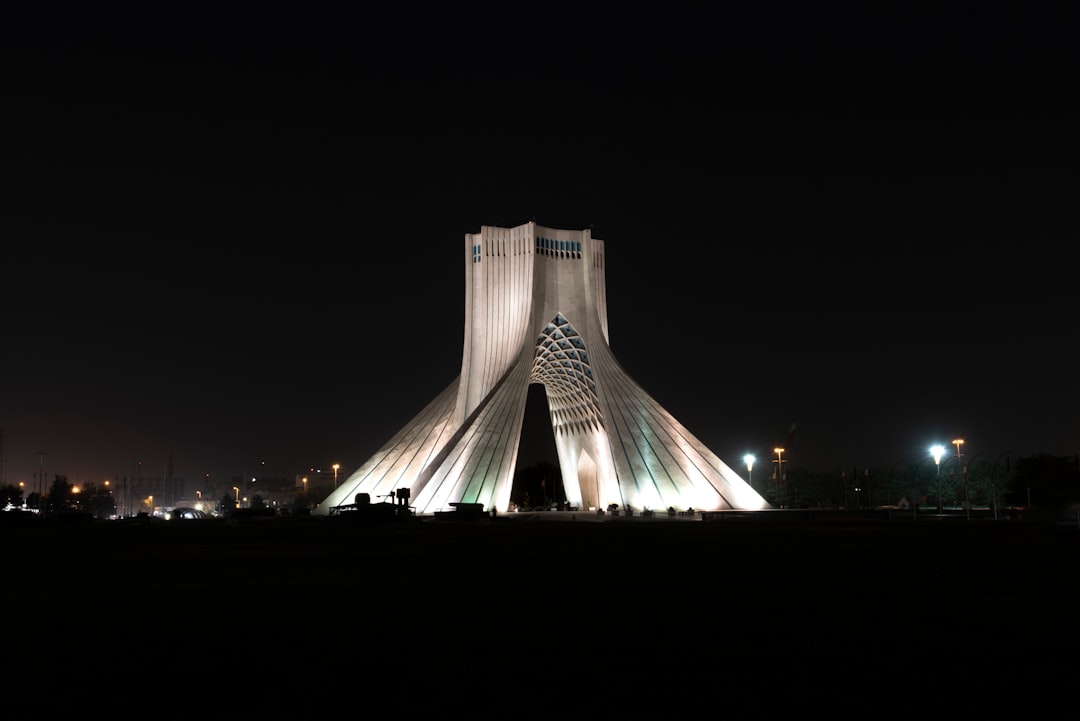
Photo by Adrin Alinejad on Unsplash
Photo by Amir M. Mohamadi on Unsplash